If you are reading this, it is likely because you are serious about building a better life—one with more freedom, stability, and control over your time and choices. I respect that. Wanting more from life is not greed; it is often a quiet recognition that your potential has not yet been fully expressed.
This book, and the work surrounding it, was not written to promise quick success or effortless wealth. It was written to offer something far more valuable: clarity. In a world filled with noise, shortcuts, and exaggerated claims, clarity has become rare. Yet clarity is what allows discipline to take root, and discipline is what produces lasting results.
Wealth, as I have come to understand it, is not simply about money. Money is a tool—an important one—but it is only part of a much larger system. True wealth includes the ability to choose how you live, how you work, and how you contribute. It includes resilience during uncertainty, patience during slow periods, and judgment when opportunities appear.
The ideas you will encounter here are shaped by long observation, practical experience, and reflection. They are grounded in the belief that sustainable success is built through skills, systems, ethical value creation, and long-term thinking. These principles apply regardless of where you live or where you begin. Circumstances differ, but the fundamentals remain consistent.
This work asks something of you. It asks for effort, honesty, and restraint. It asks you to think in years and decades rather than weeks and months. If you are willing to do that, the rewards are not only financial. They include confidence, stability, and the quiet satisfaction that comes from building something that lasts.
My hope is that this book serves you not just once, but repeatedly—as a reference, a reminder, and a guide as your life and circumstances evolve. Read it slowly. Apply what is useful. Question what does not fit your situation. Above all, commit to the long view.
Wealth, when built responsibly, should serve life—not dominate it. If this work helps you move closer to that balance, then it has achieved its purpose.
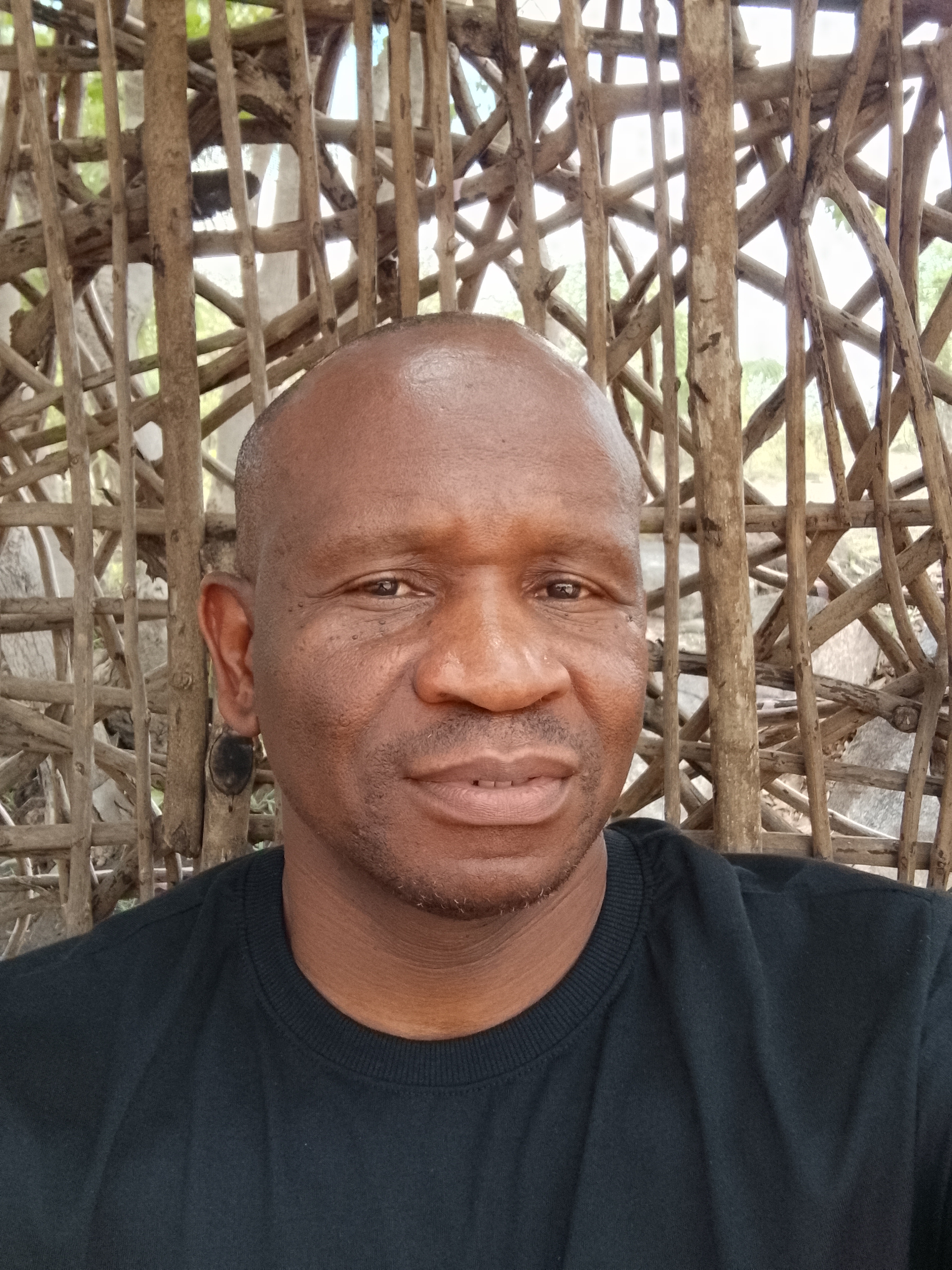
— Jeremiah Maponde